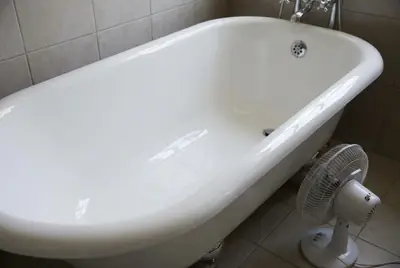
Giving your old soaking basin a brand new life right in Polk County
Starting out with a tired, stained fixture in your washing room can totally ruin your morning mood. Right off the bat, you deserve a space that feels clean and fresh without burning through your hard-earned savings account.
So, if your heavy porcelain basin looks like it survived a war, don't throw thousands of dollars at a complete demolition project. Instead, you can completely resurface that dingy surface for a fraction of the cost, making it shine like a brand new penny in just a single afternoon!
For starters, let us talk about what happens when that glassy coating on your heavy basin starts fading away. Years of scrubbing with harsh chemicals will strip off the original factory finish, leaving tiny pores open to trap dirty soap scum and nasty rust stains. Honestly, it turns into a total nightmare to keep clean, no matter how much muscle you put into scrubbing on your hands and knees.
Fortunately, bringing back that smooth finish doesn't require tearing out your plumbing or smashing up your floor tiles. By choosing a professional spray-on restoration process, local home owners get to save massive amounts of cash while avoiding weeks of dusty construction mess. Plus, the end result looks so incredibly glossy and slick that your visiting neighbors will swear you bought a brand new unit from the home depot down the road.
Why tearing out your fixture is a huge mistake
To begin with, rip-and-replace renovations always cost way more than the initial estimate tells you. Once those heavy sledgehammers start swinging, workers usually smash your wall tiles, mess up your subfloor, and accidentally break ancient plumbing pipes hiding behind the drywall. Suddenly, your simple weekend upgrade transforms into a financial sinkhole that eats up thousands of dollars you never planned to spend.
Besides that headache, old cast iron units are insanely heavy and extremely awkward to carry down narrow hallways. Dropping one of those beasts can easily crack your floorboards or punch giant holes straight through your sheetrock. On top of that, modern cheap replacement options feel flimsy, plastic-like, and nowhere near as solid as the classic stuff built decades ago.
In addition, keeping your existing heavy-duty basin is actually the smartest eco-friendly choice you can make today. Dumping hundreds of pounds of unbreakable porcelain into our local trash landfills just harms the planet for no good reason. Therefore, opting for a high-tech chemical restoration keeps top-notch materials out of the dump while protecting your wallet at the exact same time.
The secret science behind sticky chemical bonds
First off, achieving a rock-solid finish isn't as simple as slapping a cheap coat of white paint over old grime. Actually, if you try using one of those DIY store kits, the material will start peeling off in nasty strips within just a couple of months. True structural coating relies on a precise chemical reaction that literally fuses the new liquid layer directly onto the original substrate.
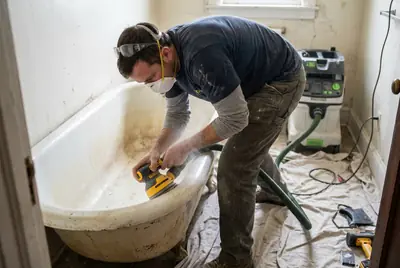
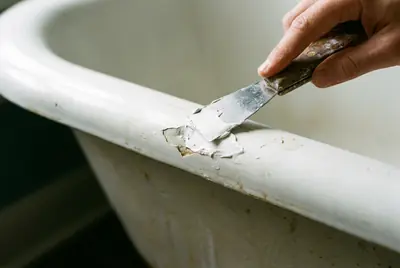
Next up, proper surface prep work takes up almost eighty percent of the entire job time. Technicians must strip away all old caulking, etch the slick glass surface with specialized acid cleaners, and sand down every single square inch until it feels totally uniform. Without this tedious prep phase, any fancy topcoat you apply will just float on top and bubble up the first time you take a hot bath.
Finally, a super strong silane bonding agent gets wiped across the raw porcelain base layer. This magical clear liquid acts like thousands of microscopic double-sided suction cups, locking the molecular structure of the base coat to the high-grade acrylic polymer finish. Consequently, the new coating bonds so tight that it can handle huge temperature swings without ever cracking, flaking, or popping loose under pressure.
| Upgrade Path |
Project Downtime |
Mess Factor |
Overall Cost |
| Full Replacement |
1 to 3 Weeks |
Extreme Dust & Noise |
Very High |
| Chemical Refinishing |
24 to 48 Hours |
Minimal & Contained |
Super Low |
Understanding the high-tech spray process
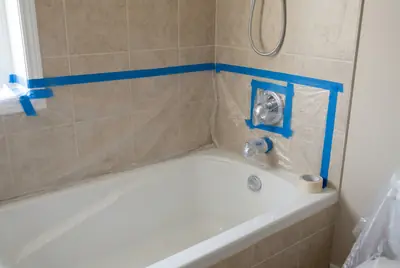
At the start, technicians use custom exhaust systems with long flexible hoses to vent all chemical vapors right out the nearest window. Masking paper and painter tape cover every single inch of your surrounding walls, chrome faucets, and tiled floors to shield them from fine airborne overspray. This careful setup guarantees that the high-grade acrylic coating only lands on the exact surface you want renewed.
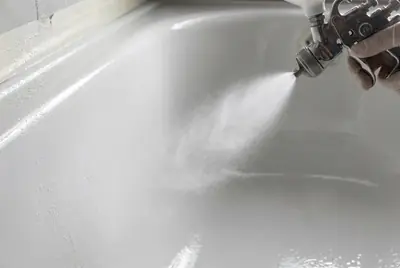
Afterwards, a professional high-volume low-pressure turbine spray gun gets dialed in for maximum control. The skilled applicator lays down multiple delicate primer layers, followed immediately by thick, self-leveling topcoats that flow together into a mirror-like sheen. Because the chemical liquid levels out on its own, all unsightly brush strokes and roller marks are completely eliminated from the final surface.
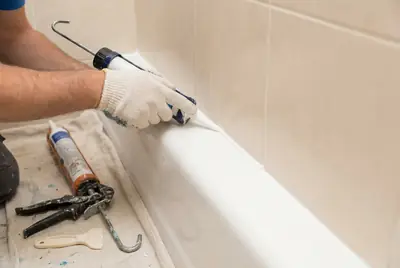
Eventually, the fresh liquid shell cures into an ultra-hard, non-porous armor plate that resists hot water and heavy daily use. To finish things up, the worker carefully pulls off all the protective paper, applies a fresh bead of mold-resistant silicone caulk around the top edges, and cleans up the work area spotless. Within twenty-four short hours, your shiny renewed surface stands fully cured and ready for a relaxing, warm soak.
Transforming property values around our local timber country
Right now, home values in our quiet agricultural region depend heavily on having updated, clean-looking interior spaces. Even in tiny rural communities tucked away in the 97347 postal area, potential home buyers will instantly drop their purchase offers if they spot a nasty, stained washing area. Updating that tired feature instantly boosts your home market appeal without forcing you to max out your credit cards.
Furthermore, local land owners know that maintaining historic homes near the outer edge of our scenic county requires preserving original charm wherever possible. Original clawfoot and deep alcove fixtures carry a timeless architectural style that cheap plastic modern inserts just cannot match. Restoring these classic pieces preserves the authentic soul of your property while making the space feel completely sanitary and modern.
Similarly, real estate investors and local landlords love this quick makeover trick for flipping rental units between tenants. Instead of losing weeks of rental income during an agonizingly slow construction delay, a contractor finishes the entire job in one single afternoon. That blazing fast turnaround lets you put high-paying renters right back into the unit without missing a single month of cash flow.
Avoiding common DIY disaster pitfalls
To begin, those cheap store-bought refinishing kits promised in infomercials almost always lead to complete disaster. The thin roll-on epoxy included in those boxes lacks proper chemical hardeners, meaning it yellow rapidly under normal room light. Even worse, brushing thick resin on by hand leaves terrible streak lines, ugly drip marks, and trapped air bubbles that pop and peel open later.
Also, breathing in harsh etching acids and toxic urethane fumes without professional full-face respirator masks poses serious health risks to standard homeowners. Professional crews wear advanced air-supplied masks and use industrial-strength ventilation fan setups to keep indoor air totally safe during application. Attempting this heavy chemical work without safety gear is a gamble that simply isn't worth taking.
Additionally, fixing a botched DIY attempt costs double the price of doing it right the first time around. A pro has to spend hours using harsh chemical strippers to scrape off all that sticky, flaking DIY paint before they can even begin the real restoration work. Save yourself the huge headache, broken fingernails, and wasted weekend by letting trained tools handle the heavy spraying from day one.
Simple steps to keep your new glaze sparkling for years
Granted, taking basic care of your freshly sprayed surface is wildly simple if you toss out your harsh abrasive scouring pads. Scrubbing powders with heavy grit will act like sandpaper on the new high-gloss finish, dulling that gorgeous mirror shine over time. Instead, stick to gentle liquid dish soaps, mild spray cleaners, and soft microfiber towels to wipe away water spots effortlessly.
Likewise, you should totally avoid hanging suction-cup bath mats inside your newly finished basin. Those tiny rubber suction cups pull hard on the cured resin shell, which can eventually break the bond and trap water pockets underneath. If you need non-slip protection for elderly family members, ask your technician to spray a permanent textured safety grip pattern directly into the floor coat during application.
Moreover, taking care of dripping faucets immediately prevents ugly mineral deposits and rust lines from forming under the spout. While your new synthetic armor is extremely durable, persistent hard water drips left dripping for months will eventually leave stubborn calcium rings behind. Fixing a leaky rubber washer in your tap costs pennies and keeps your glossy floor shining like glass forever.
Comparing total costs and real value
To put things in perspective, let us lay out the real financial numbers so you can make a smart choice for your family budget. Buying a basic low-end basin might only show a small price tag on the shelf at your local building supply store. However, hiring plumbers to hook up drain lines, tile contractors to fix walls, and haulers to trash the old heavy unit pushes total costs crazy high.
On top of those surprise expenses, standard remodeling delays drag on for weeks, forcing your family to share one crowded bathroom or take showers at the local gym. The sheer stress of having stranger construction crews stomping through your hallway with dusty boots for half a month is exhausting. Resurfacing gets rid of all that chaotic noise, annoying dust, and insane labor expenses in one fell swoop.
In contrast, inviting a local field pro over to restore your existing fixture costs a small fraction of a full tear-out job. The entire investment stays manageable, giving you plenty of cash left over to spend on fancy new towels, shiny chrome fixtures, or new paint for the walls. You get an absolute high-end luxury look while keeping your hard-earned bank balance totally intact.
Why grabbing a free estimate is your absolute best next move
Right off the bat, getting a local pro to inspect your fixtures doesn't cost you a single penny or commit you to anything down the road. An honest, skilled surface technician will evaluate the material base, check for hidden hairline cracks, and clearly explain all your color finish choices right at your kitchen table. You get complete transparency and accurate pricing upfront without any high-pressure sales tricks or annoying hidden fees.
To add to that, taking care of small chips and minor surface rust today stops deep structural damage from spreading through the heavy cast iron base. Moisture sneaks into tiny cracks silently, rusting out metal beneath the porcelain layer until the entire fixture completely collapses. Spending a tiny amount on preventive restoration right now protects your structural home investment for decades to come.
So, stop staring at that ugly, stained old basin every single time you step into your washing room to brush your teeth. Take action today by requesting your completely free, no-obligation written quote from friendly local trade specialists. You will be amazed at how affordable it really is to transform your tired old bath area into a sparkling, high-end paradise overnight!